Voices & Outlook

What Prominent Figures at Home and Abroad Say About Bitcoin

Views on Bitcoin diverge sharply. One side calls the same asset 'digital gold,' while the other calls it 'speculation with no intrinsic value.' This page organizes the gist of public statements from major figures in Korea and abroad into optimistic, neutral, and pessimistic camps, and notes the premises behind each argument.

Figure 1 — Where the Outlooks Diverge

Bulls and bears differ not because the data differs, but because they place value on different foundations.

Same asset · different premisesScarcity · institutional adoption (bull)No intrinsic value (bear)Supply cap + assumed institutional allocation→ Scenario of rising long-term price targetsNo cash flow + weak payment usage→ Conclusion: price rests on expectations alone
Table 1 — Notable Voices Abroad

Summaries of statements found in public interviews, letters, and reports. Check the sources below for exact wording and dates.

Larry Fink

Chairman & CEO, BlackRock

Bullish

Once called it an "index for money laundering," but reversed course, now framing Bitcoin as an international store of value and a legitimate financial asset.

Basis · Cites institutional demand and tokenization trends as the spot-ETF issuer.

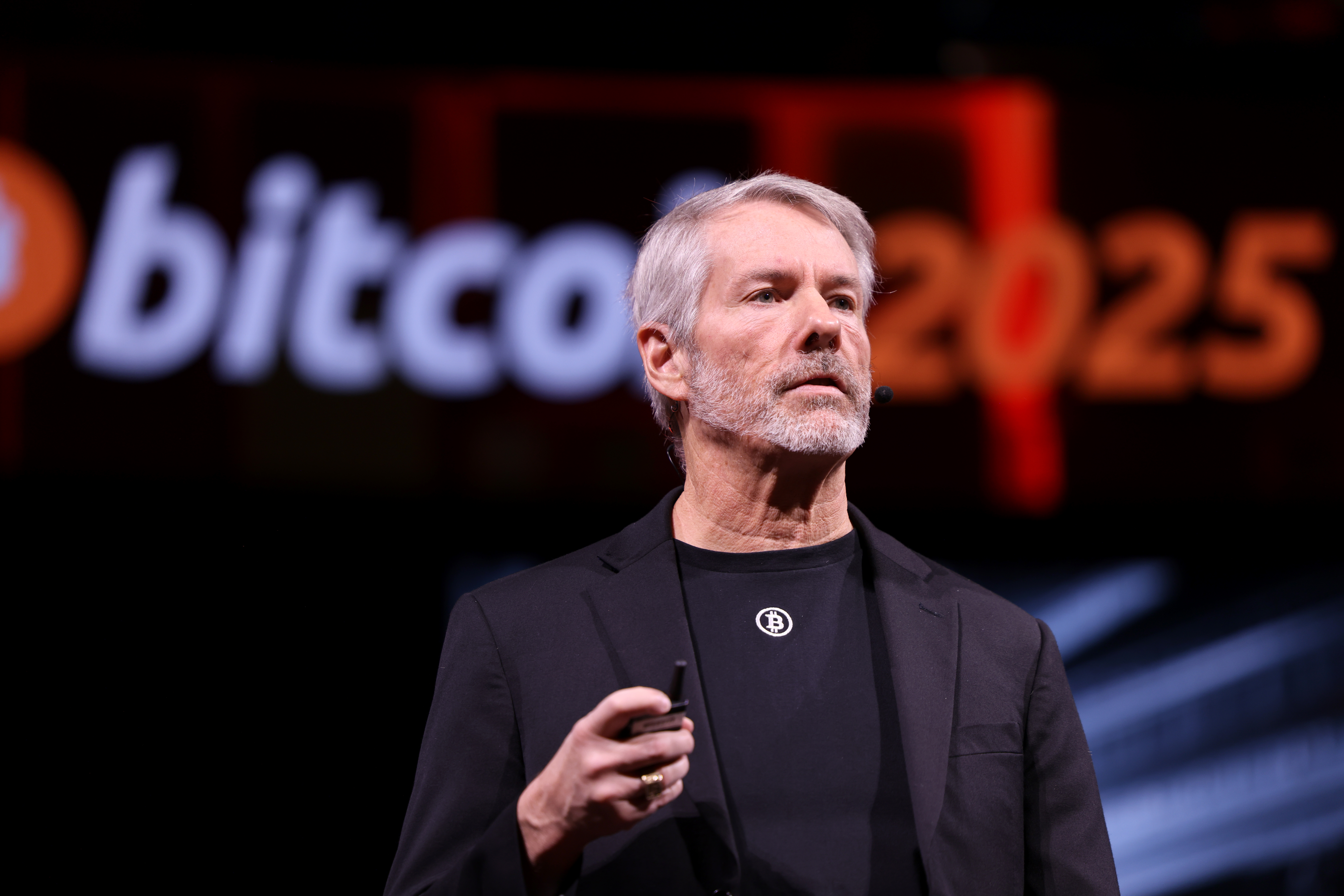
Michael Saylor

Chairman, Strategy

Bullish

Views Bitcoin as "digital capital" that should be accumulated as a long-term reserve asset replacing cash on corporate balance sheets.

Basis · Premised on the 21M supply cap and the dilution of fiat purchasing power.

Cathie Wood

CEO, ARK Invest

Bullish

Presents long-term price targets many multiples above current levels, based on scenarios of institutional allocation and rising emerging-market demand.

Basis · A conditional model value based on an assumed allocation share of institutional assets.

Jack Dorsey

CEO of Block, Twitter co-founder

Bullish

Believes Bitcoin will become the internet's native payment currency and invests directly in mining, wallet, and payment infrastructure.

Basis · Argues from payment-network effects and an open-protocol perspective.

Paul Tudor Jones

Hedge fund manager

Neutral / conditional

Recommends holding some Bitcoin as an inflation hedge, but limiting it to a small share of the portfolio.

Basis · Sees it as the "fastest horse" during monetary expansion, but treats volatility as a risk.

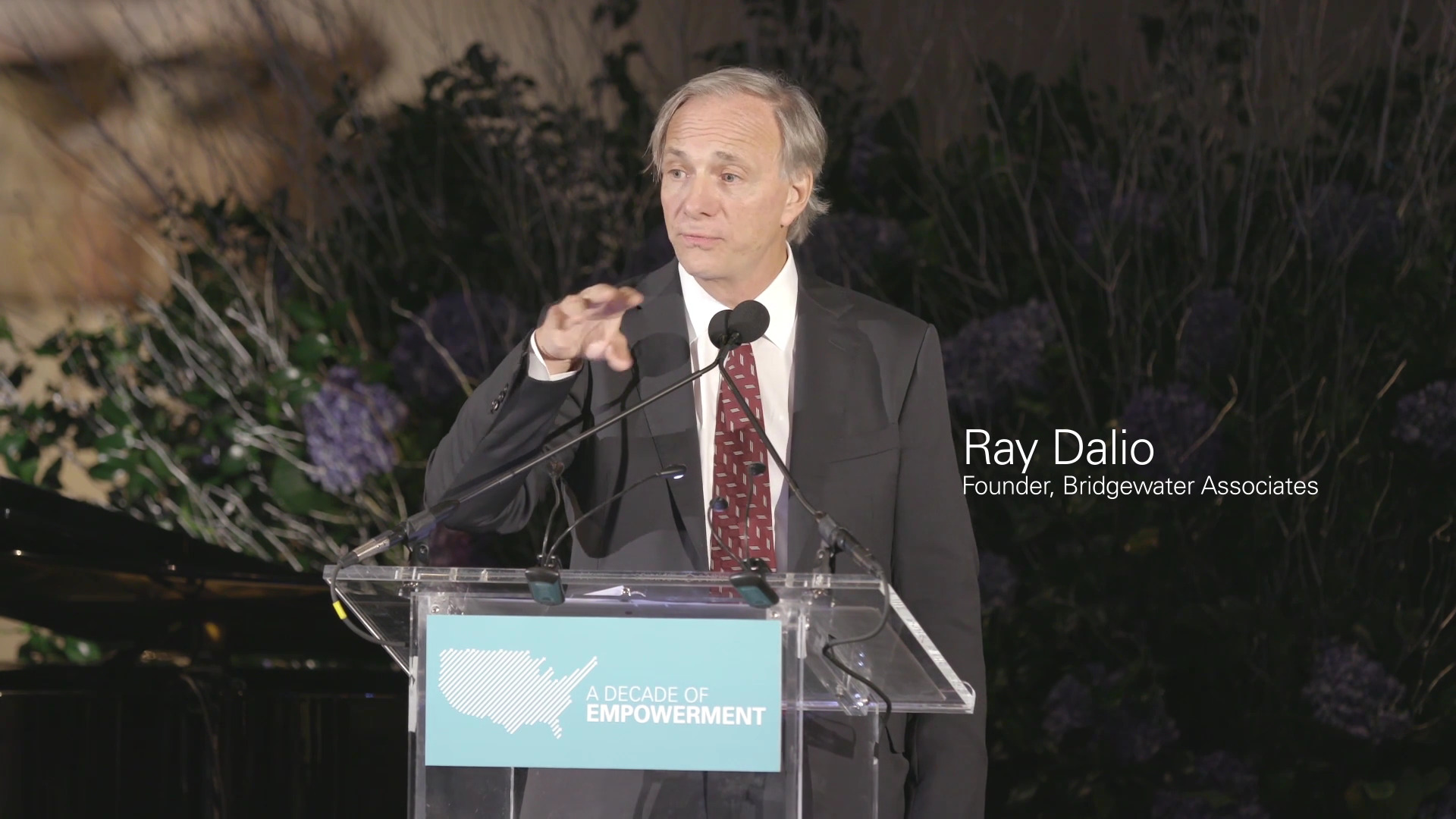
Ray Dalio

Founder, Bridgewater

Neutral / conditional

Acknowledges the case for alternative assets like Bitcoin from a debt-cycle view, but flags regulatory risk and its shorter track record versus gold.

Basis · A dual view: a small diversifying position is reasonable, but it's too early as a core reserve asset.

Warren Buffett · Charlie Munger

Berkshire Hathaway

Bearish

Repeatedly and sharply critical, arguing an asset that generates no cash flow isn't an investment.

Basis · A traditional value-investing framework based on intrinsic value and productivity.

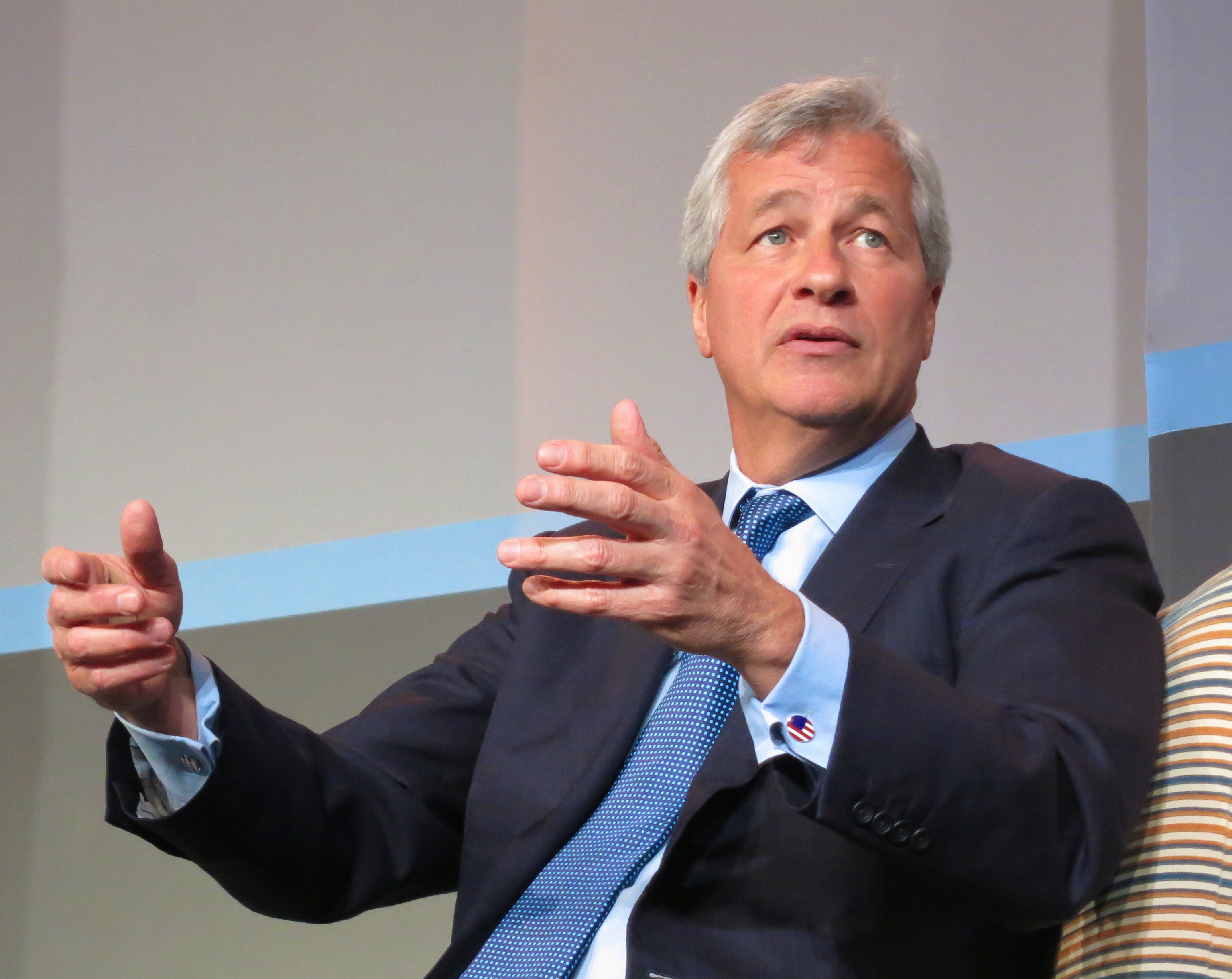
Jamie Dimon

CEO, JPMorgan

Bearish

Personally skeptical of Bitcoin, but pragmatically separates that from offering client access on request.

Basis · Cites illicit-use and regulatory risk, while treating banking services as a separate matter.

Peter Schiff

Economic commentator, precious-metals advocate

Bearish

Consistently argues Bitcoin can't replace gold and will crash sharply during liquidity contractions.

Basis · Cites the lack of physical form and industrial demand as the core argument.

Nouriel Roubini

Economist

Bearish

Views the crypto market as dominated by speculation and manipulation, and opposes mainstream adoption.

Basis · Critiques from a market-structure and investor-protection standpoint.

Table 2 — Notable Voices in Korea

Domestic discussion weighs institutional adoption pace and asset classification more than price forecasts.

Oh Tae-min

Author, Bitcoin researcher

Bullish

Argues for long-term holding: Bitcoin will trend upward, and the window for individuals to hold a full unit is shrinking.

Basis · Cites decentralization, scarcity, and early accumulation by the ultra-wealthy and institutions.

Korbit Research Center

Research arm of a domestic exchange

Neutral / conditional

Argues the halving-based 4-year-cycle theory has lost explanatory power, and Bitcoin is now a macro asset driven by US rates, ETF flows, and regulatory timelines.

Basis · Based on price patterns from the last two cycles and ETF inflow data.

Brokerage digital-asset research

Analyst groups at domestic securities firms

Neutral / conditional

Classifies Bitcoin as a high-risk alternative asset class and offers range-bound outlooks tied to rate and dollar direction.

Basis · Based on global liquidity indicators and ETF net-inflow trends.

Finance/accounting academic critics

University professors and others

Bearish

Argues Bitcoin has never proven a monetary function and its price is unjustified, urging caution before public or institutional funds are allocated.

Basis · Cites volatility, investor protection, and gaps in accounting/valuation standards.

Policy and monetary authorities

Financial and monetary regulators

Neutral / conditional

Focuses on institutional groundwork over price forecasts, treating domestic spot-ETF approval, corporate accounts, and stablecoin rules as phased tasks.

Basis · A regulatory framework centered on investor protection and financial stability.

Figure 2 — Stance Distribution Among Listed Voices

Based on the 15 voices listed on this page, not the overall market sentiment.

  • Bullish5 · Scarcity · institutional adoption
  • Neutral / conditional5 · Macro-linked
  • Bearish5 · Intrinsic value · regulation
Glossary — Terms for Reading Outlooks

Concepts that recur when interpreting price targets and outlook articles.

Digital Gold

An interpretation of bitcoin as a scarce asset with fixed supply, focused on its store-of-value function.

Example: The framing Larry Fink uses when referring to bitcoin as a global store of value.

Intrinsic Value

Value based on the cash flow or output an asset itself generates.

Example: Buffett's criticism starts from the premise that bitcoin lacks this quality.

Institutional Allocation Assumption

A method of calculating price targets by assuming a certain share of existing financial assets moves into bitcoin.

Example: Price targets of the form 'if 1% of pension assets are allocated, price rises N times' fall into this category.

Treasury Strategy

A strategy in which a company holds bitcoin on its balance sheet instead of cash-like assets.

Example: Strategy's approach of accumulating bitcoin through financing is a representative example.

Four-Year Cycle Theory

The market belief that rises and falls repeat on a four-year cycle centered on the halving.

Example: Domestic research increasingly notes that its explanatory power has weakened as macro variables grow more influential.

Three things to check first when reading a forecast

First, the timing of the statement. Pessimism from 2018 and pessimism from 2025 rest on different premises even if worded the same way. The institutional environment changed enormously before and after spot ETF approval (January 2024), so quoting a statement without checking the date can be misleading. In fact, there are quite a few cases, like Larry Fink's, of someone shifting from strong criticism to strong support.

Second, the speaker's interests. An executive who holds a large amount of bitcoin, an asset manager earning fees on an ETF, and someone rooted in traditional banking or precious metals each speak from a different set of incentives. That doesn't mean their statements are wrong, but understanding those interests is a useful clue for understanding why they reached their conclusion.

Third, price targets are not predictions — they are outputs of a specific assumption. Quoting a scenario value that comes with a condition like 'if X% of institutional assets are allocated to bitcoin' without that condition gives it an entirely different meaning. The figures on this page should all be understood as the conditional scenarios they were at the time they were stated.

The core logic of optimism: scarcity and institutional adoption

The argument optimists commonly make is the supply ceiling. A fixed issuance of 21 million coins and new supply cut in half every four years is structurally different from fiat currencies, whose issuance can be expanded by monetary policy. This is the basis for Michael Saylor calling bitcoin 'digital capital' and various asset managers calling it 'digital gold.'

The second argument is the institutionalization of access. Spot ETFs let pension funds, endowments, and advisory accounts gain bitcoin exposure without separate custody arrangements. Most optimistic price targets start from a capital-flow assumption such as '1–5% of existing financial assets get allocated.'

The third argument concerns confidence in currency. As fiscal deficits and national debt accumulate, demand grows for an asset outside government control. This logic is essentially identical to the case for gold, with the difference being the claim that bitcoin is superior in portability, verifiability, and divisibility.

The core logic of pessimism: intrinsic value and utility

The oldest criticism is the absence of cash flow. Warren Buffett and Charlie Munger have pointed out that an asset with no dividend, interest, or output relies entirely on the expectation that 'the next buyer will pay more.' From this view, bitcoin is not an investment asset but a pure price game.

The second criticism is a failure of utility. Though designed as a means of payment, it is rarely used that way in practice due to volatility, with most transactions being for holding or speculative purposes. Domestic academics repeatedly raise a similar criticism: that its asset price has been justified without ever demonstrating its function as a currency.

The third criticism is regulatory and concentration risk. A substantial share of supply is concentrated in a small number of wallets and a small number of exchanges and issuing entities, and given the market's structure, decisions by large holders are reflected in price almost immediately. The contradiction that ownership is concentrated even as decentralization is used as a selling point is frequently cited as grounds for pessimism.

The shape of the domestic debate: between asset recognition and institutional refinement

Domestic discussion places more weight on 'how to incorporate it into the system' than on 'whether it has value,' unlike much of the debate abroad. Research divisions at exchanges and securities analysts increasingly argue that the four-year cycle theory centered on the halving is weakening, and that macro variables such as U.S. interest rates, ETF flows, and the regulatory calendar are now what drives price.

On the positive side, many voices see bitcoin as a scarce asset accessible to individuals and advocate long-term holding. On the other hand, academics in finance and accounting tend to argue for caution around institutional and public-fund adoption, citing volatility, investor protection, and gaps in accounting standards.

Policy debates have narrowed down to domestic spot ETF approval, allowing corporate accounts, and stablecoin regulation. In other words, much of the domestic 'outlook' is really a forecast about the pace of institutional adoption rather than a price prediction, and should be read with that in mind.

A note on citing this page

The statements summarized here are not direct quotes but the gist of remarks confirmed from public interviews, letters, and reports. For exact wording and full context, please check the original source via the linked references.

A given individual's price target or view is not investment advice. A public figure's statement is only useful as a way to gauge market sentiment, and there are numerous cases where the actual price later moved opposite to the prediction.

A speaker's position can change over time. This page is maintained as of its most recent verification date, but we recommend rechecking recent statements before citing anything here.

Sources & references